Bringing your home back to being a sanctuary.
While all this talk about a home being a place to recuperate and revitalize.
Your home can and probably has become way more than that.
And it times it has the potential to be a dungeon or source of conflict.
A house, a home, a cabin on a mountain side all exist to give you a space to live.
And while many things effect the quality of life you have. The home stands out as one of the key components to your success or failure as a whole.
Homes can become an asset or something of value over time financially.
A home's location can create opportunities if chosen thoughtfully, along with some research.
Location can influence the friends you will make as well as the community activities that maybe abundantly available.
Homes often can deliver many temporary resources. A spare bedroom for family to visit. possibly a garage to tear down and rebuild the car for the teen's education and transportation. The list goes on.
One important thing to keep in mind is the home can also harbor dangers and challenges.
Many of these can hidden or easy to sluff off as for another day.
Many a homeowner has shuttered years down the road to find had they took some precautions early on they would have avoided major catastrophe.
Places you can start.
Know what it is you own.
Taking a trip to town and verifying your homes records and location can be good start.
Just because your fence is in a certain spot may not indicate proper property lines. So, setting aside money to alter the property if your neighbor sells and the new owner orders a survey done only to find your fence is 3ft inside his property. The other importance to visiting is learning about zoning, use or your property and when building permits are required.
I'm not a professional, so you will notice most of what I talk about is seeking professional advice and what to bring up.
A conversation with the right talking points can bring you to greater understandings.
Having routine inspections done, damaged warranty items investigated for replacement can help you avoid conflict, confusion and prevent damage to your living spaces.
This brings you a greater awareness of your home and what it actually is in essence.
Not knowing you have a racehorse and leaving it in the pasture for years may do more damage than good.
Finding out your home was designated as a rental property may add value and may change your considerations on that remodel you been considering.
One factor people often discuss especially in spiritual/ church gatherings is this concept of interconnectedness.
Whether it be connected to the community or serving through groups or organizations such as hospitals or local govt institutions.
I am speaking of a physical connectedness as it relates to your home.
These physical connections are roads, utilities delivered through pipes and wires, and your sewer.
Even if you are on a septic tank for your sewer, those pipes vent to the neighborhood.
These physical connections while like the knob on your door rarely need to be fussed with. They hold the keys to your sanctuary. And keep the dungeon's demons from wreaking havoc on your mini-kingdom.
Utilities enter the home anywhere from ground to overhead.
Entry points for conduits etc. Which often require covers or sealants to prevent bugs and critters from entering your home.
Discussions with technicians about types of inspections they can perform is essential to running your home safely and with a sanctuary mind-fit.
Sewers can be a huge silent issue. With odors coming and going about the home, along with doors opening and closing. It can be difficult to detect dry sewer drains and clogged vent pipes. Sewer gases can be harmful in a variety of ways.
This is a great inspection to inquire about. hardly ever used floor drains still require water to seal the trap once a month.
This includes the one next to your water heater. Dry drains can allow odors to enter your home. If you want some examples of dry drain smells visit a warehouse or other open style buildings with low use floor drains.
Having a plumber show you and inspect proper water shut offs and other related equipment is often fun and allows you to get to know your professional.
You can clean all you like but if your sewer is venting to your utility closet, laundry room, changing room etc. then you are in constant contamination. Grasping this knowledge you can enjoy a fresher smelling home. Find odors faster. And have spaces stay cleaner longer.
A concept that is often overlooked is your indoor environment. Typically, when you visit a doctor, they are assuming that your living space is mostly free of infectious sources, etc. Which leads us onto are next topic: Garbage.
Garbage collection points and cans are typically maintenance free. However, cans with broken lids or even bags that don't fit are a huge target to breed things like mold, bacteria, viruses, and fungus. Regular inspections of containers can prevent odors and disease from creeping into your home. If you keep your outside garbage bins in the garage this is extremely important to consider adding a seal to the lid or ensuring lids stay down. Get a clear idea on how often your outdoor bins become dirty. Consider using a liner if you don't like too soap and rinse them often. Many areas offer in place bin cleaning. They send a truck and they remove any loose debris and spray bins inside and out with a solution.
Indoors you can round up trash bins, spray with a soapy solution, or scrub with a powdered cleanser. You can rinse the inside and then dump contents in toilet to avoid contaminating sink. The magic is ensuring the bins dry or get dried off.
Having clean bins can help deter pests as well. Rinsing jugs and disposable or recycled plastics goes a long way in keeping bins clean and reduces odors. Opening a clean bin and finding a sturdy bag builds confidence and shouts tidy.
Other things that can harbor dust and microbes are under your fridge, back of the microwave, and coffee makers.
Always schedule regular changes of any items utilizing filters (like vacuums).
Washing sweat socks often or keeping them separate from other laundry is a must. I'll let you do your own research on what is happening there. It can be an instant source of odor.
Another arrangement you can consider is designating a low use area for dirty tasks, repairs, projects awaiting parts on order, or even the pets main living area. By concentrating the dirty work in one room or garage you can cut down on traffic in other areas you prefer tidy and organized.
These types of focus for your home can build a sanctuary for you and your family. Not to mention raise your confidence in what you feel you're returning too each day.
Consider how sound travels in your home. It can be tough to make progress on your homework, or project from work if the tv in the next room is on. This is kind of a self-discovery project as to how you address noise.
Solutions like thicker windows for street noise. Insulation for bathrooms or bedrooms, and baffles for ventilation ducts. A wall unit with charging station for headphones. Options like this can be fun to explore.
Giving it time. While making improvements in your life sounds strictly beneficial.
The truth is, the phrase "we are creatures of habit" exists for good reason. Entering a space that feels, smells, sounds or looks different can cause some individual reactions. So do break the ice on these new introductions to your lifestyle and understand it may be uncomfortable at first.
A new chapter.
With some new knowledge, a few professional inspections, some spending of the maintenance or emergency budget your home looks and feels more like that sanctuary. A place just for you and your loved ones.
Starting this new chapter is exciting. Most importantly do jot down some notes in a word document on any major improvements, note the cost, or process. Be sure after a few months to document any major benefits from your new lifestyle. This can be important for a number of reasons. The biggest reason is you just overcame some major obstacles either by default or by chaos and conflict. You may get some resistance in keeping this new status quo or have someone dismiss the importance of investing in it again. So being able to confidentially say we benefit from this arrangement in the following proven ways is essential.
Walking around your yard and looking at the outside of your home beyond wondering if it needs a coat of paint or that new siding you keep getting promotional flyers for can help you understand what is getting into your home.
Along with walking around your home do invite your utility guys to inspect meters for damaged readers or rusted equipment. Often, they maintain these periodically and ignore the condition or read them wirelessly with specialized equipment. You can request they inspect them and often they will come replace outdated equipment or clean and paint rusty pipes.
I personally found a client's roof literally separated on one corner the whole a frame gently flapping in the wind. That roof inspection and a few placed nails that he said he was going to place some calls for, likely saved him a huge catastrophe.
Understanding potential fire hazards. Making sure there is a fire break between your property line and the wooded area behind or beside your property is essential. If you have dead grass fields or thickly wooded area behind your residence do your best to eliminate dead fallen trees and scattered old branches. Consult the owner if you can. Often time, county tree lines can be addressed by simply calling that division and asking to schedule a removal /clearing or assessment.
And if it's in the budget go ahead and inquire about flood and earthquake insurance. Many of individual has been surprised on occasion surprised to find that once upon a time, they're address was the bottom of some creek or river. Landscapes can hide their true dangerous nature. So, do think to encourage free inspections or research into your homes potential to hazards from mother nature.
Here is a great article for inspiration.
🌿 Reclaiming Sanctuary in the Modern Home
Home used to be more than a place we slept — it was a center of meaning, rhythm, and restoration. In older cultures, the home was treated almost like a living being: tended, refreshed, and honored. Today, with constant noise, digital overwhelm, and the pace of modern life, many people feel disconnected from their own space. The home becomes a storage unit for stress instead of a sanctuary for the spirit.
Reclaiming sanctuary doesn’t require a renovation or a retreat. It begins with remembering that your living space is an extension of your inner life. When the home is chaotic, the mind becomes scattered. When the home is intentional, the mind finds room to breathe. Small shifts — in how we arrange, how we clean, how we choose what stays and what goes — can create a sense of calm that radiates into every part of life.
A sanctuary home isn’t about perfection. * It’s about atmosphere. It’s about creating a space where your nervous system can soften, where your thoughts can settle, and where you can reconnect with the parts of yourself that get drowned out in the outside world. When your home supports your inner life, everything else becomes easier: focus, creativity, rest, and even relationships.
The goal is simple: make your home a place that restores you instead of draining you. A place that feels like it’s on your side.
✨ Two Simple Sanctuary‑Building Ideas
Create one “quiet corner” — a chair, a candle, a plant, a book, or a soft light. A place where your mind knows it can exhale.
Remove one source of visual noise — a cluttered shelf, a pile of papers, or a surface that collects everything. Clearing just one area can shift the energy of the whole room.
🌿 Simple Enhancements That Transform a Home’s Atmosphere
Not every improvement requires a contractor or a weekend project. Some of the biggest shifts in how your home feels come from small, intentional upgrades — the kind you can do in minutes.
Fresh Pillows
A new pillow changes more than sleep. It changes posture, breathing, and how your nervous system settles at night. A clean, supportive pillow can turn a restless room into a restorative one.
New Mats & Entry Rugs
Entry mats catch dirt, moisture, and debris before it spreads through the home. Replacing old mats instantly improves cleanliness, reduces odors, and sets a calmer tone the moment you walk in.
Soft Lighting
A warm bulb, a small lamp, or a dimmer switch can shift a room from harsh to peaceful. Light is one of the fastest ways to change the emotional temperature of a space.
A Single Fresh Plant
One plant — even a low‑maintenance one — adds life, color, and a sense of grounding. Homes breathe differently when something living is present.
A Clean Scent Source
Not artificial sprays — but natural scent anchors like:
a fresh bar of soap in a drawer
a sachet in a closet
a citrus peel simmered on the stove
These create a subtle “home signature” that feels clean without being overwhelming.
A Dedicated Reset Basket
A small basket for quick resets: microfiber cloth, lint roller, disinfecting wipes, and a small brush. Five minutes with this basket can restore a room’s energy instantly.
🌙 ↓
Getting a great pillow can create a better sleep experience.
One of the most overlooked threats to a peaceful home is the sewer system. Dry drains, clogged vents, and slow pipes can release odors and gases that make a home feel stale, dirty, or even unsafe. A simple monthly treatment can keep your pipes flowing, your traps sealed, and your home smelling fresh. “Even with fresh pillows and clean mats, a single dry drain or slow pipe can undo the entire atmosphere. If you want a low‑effort way to prevent backups and eliminate hidden odors, this is the product I personally recommend. ↓
Do visit again. I will be updating periodically.
I will be covering these topics and more: The Importance of an easy to locate preferred contractor list. Updating emergency contacts. Fire drills. Understanding home owner policies, warranties, and time limits. Understanding the importance of your air conditioning system. Locating and ensuring emergency shut offs are known to the household and working. When is it time to deep clean carpets and rugs. The simple hazards of trash cans.
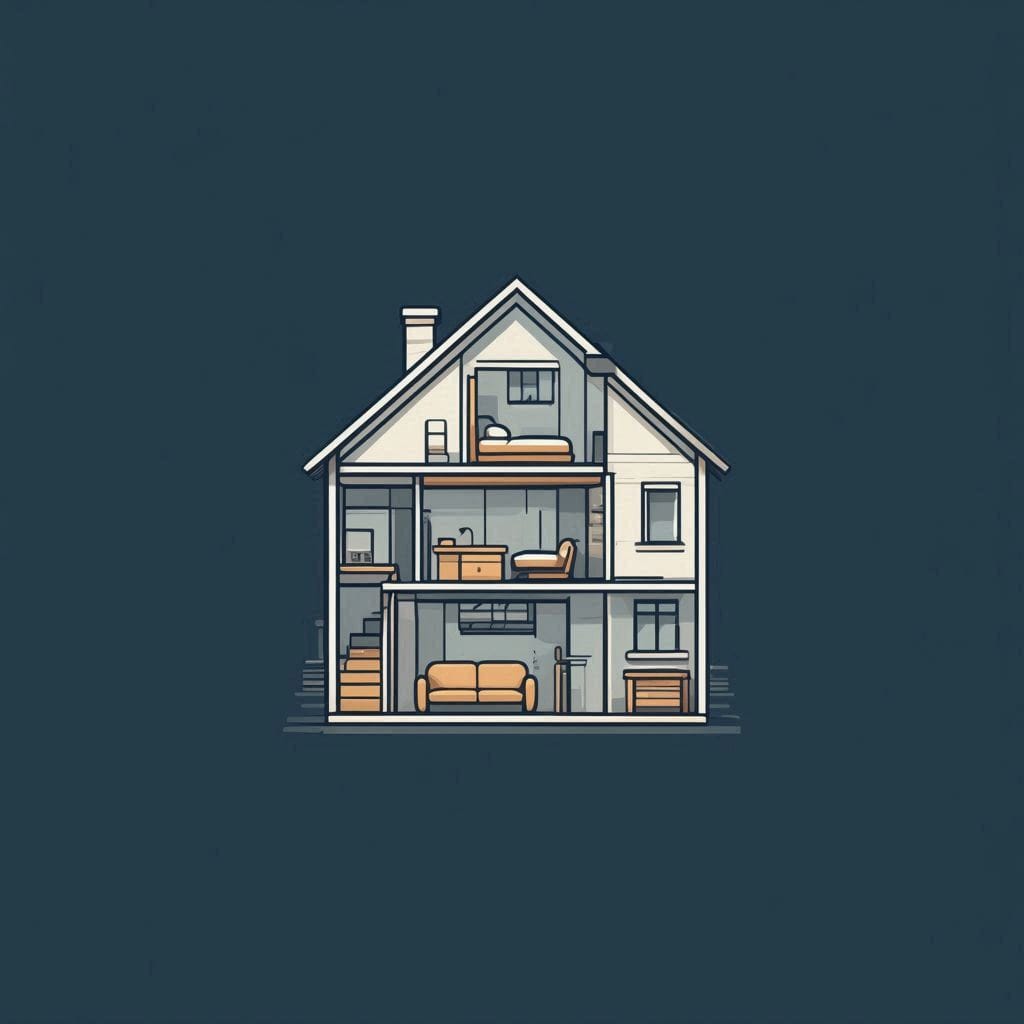
I am looking to develop a series. It may cover some of these topics.
A Practical, Grounded Guide to Understanding Your Space
1. The Yard: Your Home’s First Line of Defense
Your page already hints at this — walking your yard isn’t just about checking paint or siding. It’s about understanding what’s getting into your home. This chapter explores:
drainage patterns
tree roots near pipes
gaps where utilities enter
critter access points
how the yard influences airflow, odors, and moisture
It frames the yard as part of the home’s ecosystem, not just a patch of grass.
2. The Entry Points: Doors, Vents, Pipes, and Pathways
You already emphasize physical connectedness — utilities, sewer vents, conduits, shut‑offs. This chapter shows readers how to:
identify every entry point into the home
understand what each one does
spot early signs of trouble
seal or maintain them to protect the sanctuary inside
This is the “know your home’s anatomy” chapter.
3. The Kitchen: Function, Flow, and Hidden Hazards
Your writing on garbage, odors, and microbes fits perfectly here. This chapter covers:
garbage can hygiene
appliance backs and undersides
water shut‑offs
ventilation and airflow
how kitchen layout affects daily stress
It’s about turning the kitchen into a clean, functional command center.
4. The Living Areas: Noise, Light, and Emotional Tone
You already talk about noise, TV bleed‑through, insulation, and sound travel. This chapter expands that into:
how sound shapes mood
how light temperature affects calm
how clutter creates “visual noise”
how to create zones for rest, work, and connection
This is where sanctuary meets daily life.
5. The Bathrooms & Utility Spaces: Odors, Drains, and Airflow
This is straight from your page — dry drains, sewer vents, water traps, utility closets. This chapter teaches:
how to identify dry drains
how to maintain traps
how to detect sewer gas issues
how airflow affects cleanliness and odor
It’s the “hidden systems” chapter — the stuff no one teaches but everyone needs.
6. The Bedrooms: Rest, Air Quality, and Personal Space
You mention dust, microbes, filters, socks, and indoor environment. This chapter explores:
air quality
bedding hygiene
noise control
emotional safety
how to create a restorative sleep environment
It ties directly into your theme of home as sanctuary.
7. The Garage, Shed, and Low‑Use Zones: Purposeful Containment
You already talk about designating a low‑use area for dirty tasks, repairs, and projects. This chapter reframes that as:
creating “containment zones”
reducing traffic of dirt and clutter
organizing tools and parts
protecting the rest of the home from chaos
It’s the “functionality through boundaries” chapter.
Create a “Home Map”: list every room, its purpose, its main risks (odor, noise, clutter, pests), and its maintenance needs. This builds awareness and confidence.
Walk the perimeter monthly: check vents, seals, garbage bins, utility entry points, and drainage. This simple ritual prevents 90% of hidden problems.
Sign up for more insightful articles and updates.
🏡 What Your Home Is Trying to Tell You
Most people think a home is just a place to live.
But a home is a system — a living environment that constantly sends signals about what needs attention, what’s out of balance, and what’s quietly supporting you.
When you learn to listen, your home becomes a teacher.
Here’s what it might be trying to tell you:
1. “Something here is draining your energy.”
This shows up as:
clutter piles
unfinished tasks
rooms you avoid
corners that feel “heavy”
Your home reflects your mental load.
If a space feels off, it’s pointing to something in your life that needs clearing.
2. “This area needs attention before it becomes a problem.”
Homes whisper before they shout.
Early signs:
faint odors
slow drains
flickering lights
doors sticking
unusual sounds
These are not inconveniences — they’re early warnings.
Your home is saying, “Fix this now while it’s small.”
3. “You’re not using me the way I’m meant to be used.”
Every room has a purpose.
When a room becomes a storage pile or a catch‑all, the energy of the home gets confused.
Ask each space:
What is your purpose?
Am I honoring that?
What needs to change?
A room used correctly feels alive again.
4. “Your senses are trying to guide you.”
Your home communicates through:
smell
temperature
sound
light
airflow
If something feels “off,” it usually is.
Your senses are the first diagnostic tools.
5. “You deserve comfort, not survival mode.”
Many people live in homes that are functional but not supportive.
Your home may be nudging you toward:
softer lighting
cleaner air
better bedding
a calmer entryway
a more intentional morning routine
Small upgrades create big emotional shifts.
6. “I’m holding onto old energy you no longer need.”
Objects carry memory.
Rooms hold emotional residue.
Your home may be telling you it’s time to release:
items from past relationships
things you never use
décor that no longer matches who you are
gifts you kept out of guilt
Clearing space clears your mind.
7. “You’re safe here — now build something better.”
Once the home is clean, functional, and aligned, it becomes a sanctuary.
A place where you can think clearly, rest deeply, and grow into the next version of yourself.
Your home wants to support you — it just needs you to listen.
When you slow down enough to really notice your home, you start to see the small ways it’s always communicating with you. A room that feels heavy, a hallway that collects clutter, a corner that never quite feels settled — these aren’t accidents. They’re signals. Your home reflects the way you move through your days, the habits you’ve built, and the energy you bring into each space. When you begin paying attention, you start to understand what needs to be cleared, what needs to be repaired, and what simply needs a moment of your presence.
Creating a sanctuary isn’t about buying new things or chasing a perfect aesthetic. It’s about reconnecting with the space you already live in. When you walk through your home with intention — noticing the light, the airflow, the smells, the sounds — you begin to understand what supports you and what drains you. This awareness is the first step toward transforming your home into a place that restores you instead of overwhelming you. A sanctuary isn’t built in a day; it’s built in the quiet moments when you choose to listen.